How Effective is Neurofeedback Therapy?
High performance is no longer just about physical health. The real edge lies in the brain.
From CEOs and entrepreneurs to elite athletes and creative professionals, today’s top performers are investing in cognitive optimisation. Focus, emotional control, recovery, and decision-making are no longer left to chance. They are trained, measured, and refined.
But, despite its growing popularity across high-performance and clinical environments, one question remains: How effective is neurofeedback therapy, really?
The answer is more nuanced than a simple yes or no. Neurofeedback has been shown to improve performance and cognitive function, but research also highlights “substantial heterogeneity” in outcomes, meaning results can vary widely depending on how the therapy is designed and applied.
In practice, effectiveness depends less on the therapy itself and more on how precisely it is measured and personalised. This ultimately comes down to the quality of data it is built on, which is where brain mapping becomes essential.
By creating a real-time picture of your brain’s electrical activity, clinicians can identify imbalances, inefficiencies, and optimisation opportunities.
Without this level of insight, neurofeedback can become generic and inconsistent. With it, however, it becomes measurable, trackable, and significantly more effective.
The effectiveness of neurofeedback depends largely on how accurately brain activity is measured and how well the training is personalised.
We will explore neurofeedback therapy in more detail, including what it is, whether it works, and how its effectiveness can be measured and optimised below.
What is Neurofeedback Therapy?
To understand how effective neurofeedback therapy really is, it helps to first understand how it works.
Neurofeedback is a technique that allows individuals to observe and adjust their brain activity in real time. In simple terms, it shows what your brain is doing and helps it learn how to function more efficiently.
Think of it like training in the gym. You can exercise regularly, but unless you understand your form or track your progress, results can be inconsistent. Neurofeedback provides that feedback loop, helping the brain adjust and improve with greater precision.
Sensors placed on the scalp capture electrical signals, which are then converted into visual or auditory feedback. By responding to this feedback, the brain gradually learns to shift towards more stable and efficient patterns.
Neurofeedback has been shown to improve areas such as focus, emotional control, sleep, and cognitive performance. Rather than introducing an external intervention, it works by reinforcing the brain’s natural ability to adapt and self-regulate.
This is what makes neurofeedback appealing across both clinical and high-performance settings, as it offers a structured way to influence how the brain functions.
However, this also introduces a key limitation. If the process is based on feedback, the quality of that feedback matters. Without a clear understanding of current brain activity, neurofeedback can lack precision and consistency.
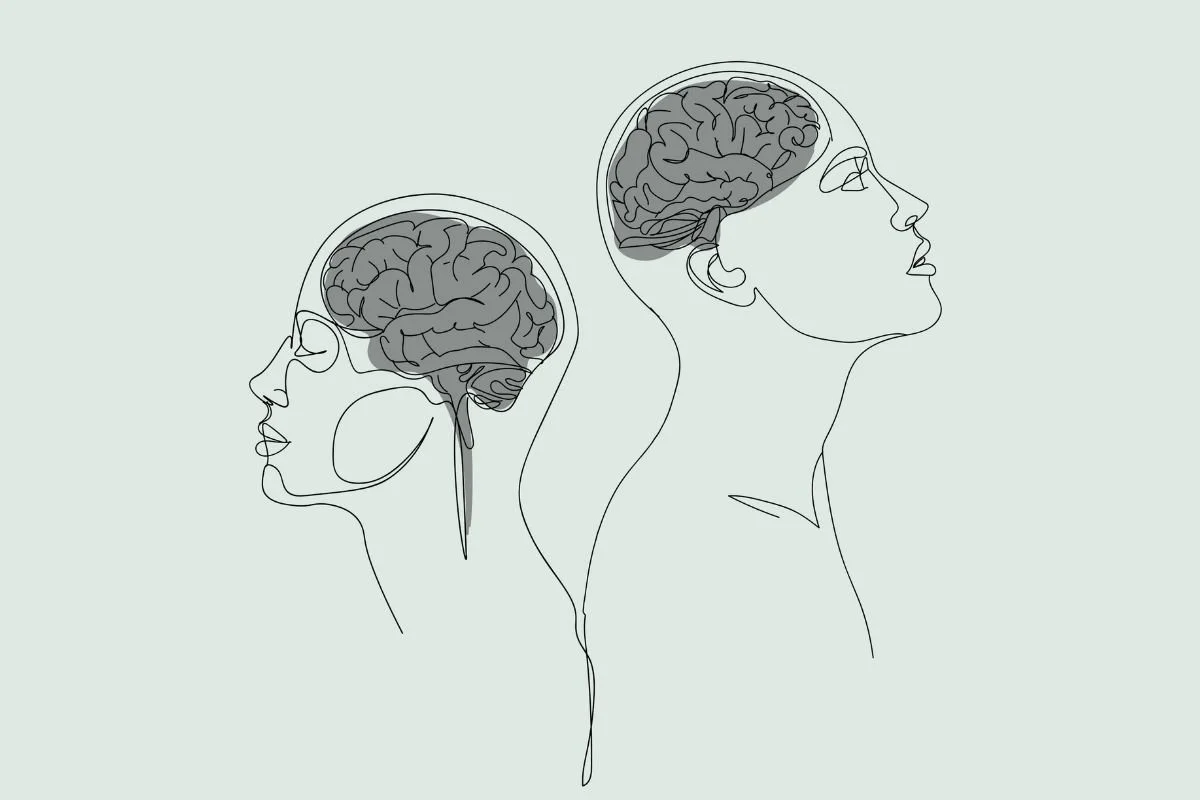
Neurofeedback has been shown to improve areas such as focus, emotional control, sleep, and cognitive performance, reinforcing the brain’s natural ability to adapt and self-regulate.
Why Neurofeedback Results Vary
If neurofeedback is designed to train the brain, it should, in theory, produce consistent results. In practice, outcomes vary.
Some individuals may see clear improvements in sleep, emotional regulation, or concentration, while others may experience slower or limited progress. Research reflects this inconsistency, with neurofeedback outcomes influenced by differences in protocol design, measurement methods, and how success is defined.
A key reason is that neurofeedback is often applied as a general approach. Each brain has its own activity patterns and imbalances. Applying the same training across individuals does not account for these differences, which can limit results.
Measurement is another factor. An absence of clear baseline data or objective benchmarks makes it difficult to track whether meaningful change is taking place.
This highlights a broader issue. Neurofeedback can be used without a precise understanding of the brain it is intended to train. As a result, protocols can lack specificity, reducing their effectiveness.
To improve outcomes, neurofeedback needs to move from general training to specific intervention, guided by accurate measurement and individualised data.
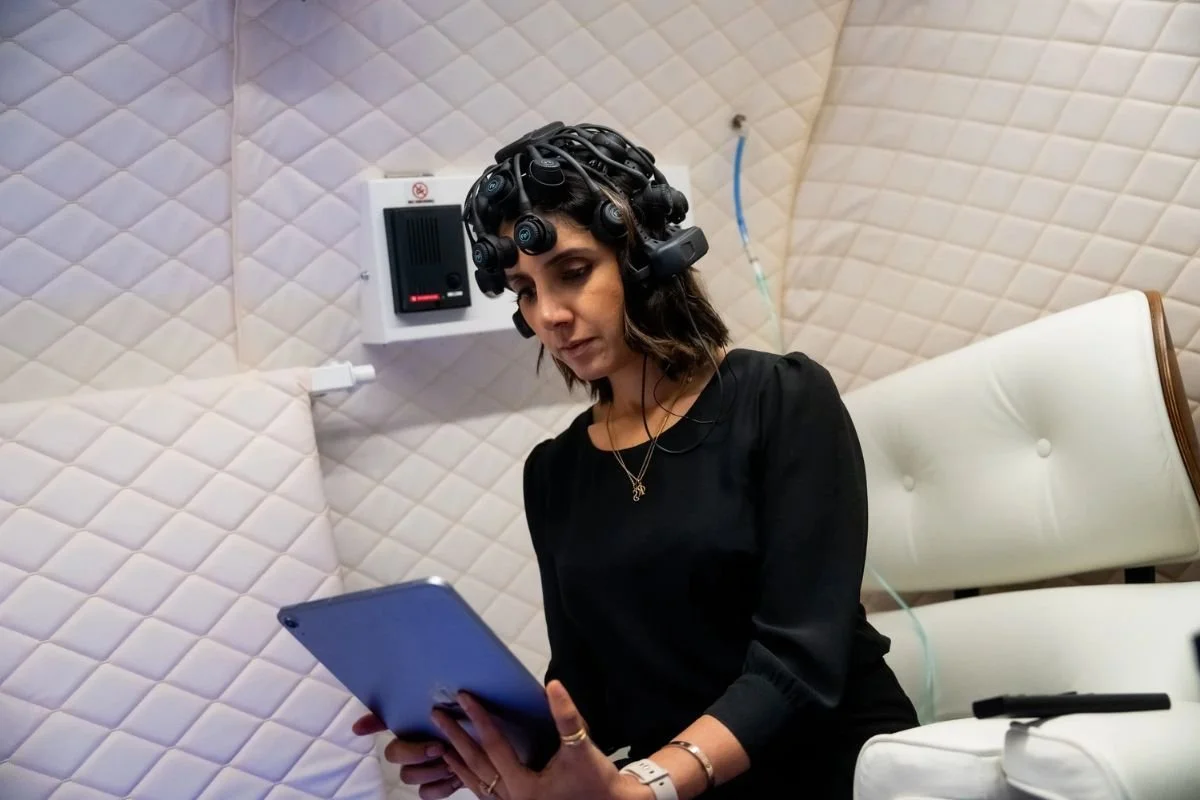
Neurofeedback outcomes are influenced by differences in protocol design, measurement methods, and how success is defined.
Brain Mapping: The Foundation of Effective Neurofeedback
If the effectiveness of neurofeedback depends on precision, the starting point is clear. You need to understand the brain before you can train it. This is where qEEG brain mapping becomes essential.
So, what is brain mapping, and how does it work?
Essentially, brain mapping uses EEG technology to measure electrical activity in the brain. More advanced approaches, such as qEEG, analyse this data against normative databases to identify specific patterns and imbalances.
This creates a clear baseline, allowing clinicians to move from generic protocols to tailored, targeted neurofeedback.
For instance, if brain mapping shows underactivity in regions linked to focus and attention, training can be directed towards improving attention and cognitive control. The result is a more individualised and measurable approach to training.
Technologies such as One BrainX combine dry qEEG with AI-driven analysis to capture and interpret brain activity in minutes, translating complex data into clear, actionable insights.
For high performers, this means moving beyond guesswork and making precision-led decisions based on how their brain is actually functioning, ultimately improving the effectiveness of neurofeedback.
Personalisation: The Key to Effective Neurofeedback
Once you measure brain activity accurately, you can begin to personalise the approach.
No two brains function in exactly the same way, as activity patterns, imbalances, and areas for optimisation vary from person to person.
Personalisation uses brain mapping data to tailor neurofeedback to the individual, allowing training to target specific areas such as attention, emotional regulation, and cognitive performance with greater precision.
This is where more advanced systems make a difference. Solutions such as One BrainX combine fast, non-invasive qEEG mapping with AI-driven analysis to deliver highly personalised insights.
Instead of relying on general protocols, training is based on each individual’s neural fingerprint, creating a more targeted and effective approach.
This also makes progress measurable. With measurable starting data in place, changes in brain activity can be tracked over time. AI-driven reports provide a clear view of what is improving and where further optimisation is needed, allowing protocols to be continuously refined.
The result is a shift from general neurofeedback to a more precise, data-driven system, delivering faster, more personalised, and measurable outcomes.

Rather than relying on general protocols, training is based on each individual’s neural fingerprint, creating a targeted, effective, and measurable approach.
How We Help You Optimise Your Brain
To sum up, how effective is neurofeedback therapy? Neurofeedback can deliver real improvements in cognitive performance, but it is most effective when it is guided by accurate data and tailored to the individual.
At One Hype Wellness, this process begins with One BrainX.
Using AI-powered dry qEEG, One BrainX maps your brain’s activity in minutes, creating a detailed picture of how it is functioning. This information is processed through One AI, our proprietary intelligence layer, to highlight patterns, inefficiencies, and areas for optimisation.
These insights form the basis of a personalised approach. Rather than relying on general protocols, training and treatments are aligned with your specific brain activity, ensuring each intervention is individualised and relevant.
Every step is guided by data. Changes in neural activity can be monitored over time, allowing protocols to evolve as your brain adapts and improves.
Whether the goal is sharper focus, improved performance, or long-term cognitive health, the process begins with understanding how your brain works.
Book a discovery call with us to find out more.