The Best Recovery Stack: Red Light Therapy and Hyperbaric Oxygen Therapy
Recovery used to be simple. Train hard. Rest. Repeat.
But for those pushing for more, whether that means peak performance, faster recovery, or long-term health, that approach starts to fall short. The body is more complex than a single solution, and recovery is no longer just about slowing down. It is about supporting the systems that keep you operating at your best.
That shift has led to a new way of thinking. Not individual treatments, but stacks.
A recovery stack brings together multiple therapies that work in different ways, targeting everything from cellular repair to oxygen delivery. Instead of relying on a single method, modern sports science increasingly supports combining multiple recovery strategies, tailored to the individual, to optimise performance and adaptation.
Two therapies are starting to stand out in this space. Red Light Therapy and Hyperbaric Oxygen Therapy.
On their own, both are backed by a growing body of research. Hyperbaric oxygen therapy has long been used to support recovery and healing, while red light therapy is supported by thousands of studies exploring its effects on cellular function and performance.
But the real interest lies in how they work together, and why more people are beginning to pair them as part of an advanced recovery strategy.
A Smarter Approach to Recovery: Why Combining Therapies Matters
For years, recovery has been approached in isolation. One method for muscle soreness. Another for stress. Another for energy.
While each can be effective on its own, the body does not operate in silos. Everything is connected, from cellular energy production to oxygen delivery to nervous system regulation.
Instead of relying on a single method, research analysing studies across more than 1,000 athletes found that many post-exercise recovery techniques do not deliver consistent results on their own. As a result, modern approaches increasingly focus on combining multiple methods for a complete effect.
This shift is not about adding more for the sake of it. It is about being precise in how recovery is approached.
Different therapies influence different systems within the body. Some work at a cellular level, supporting repair and regeneration. Others improve circulation, oxygen delivery, or help regulate the nervous system. When these are combined thoughtfully, they can complement each other rather than compete.
The result is a more balanced and efficient recovery process. Instead of addressing one outcome at a time, you begin to support the underlying systems that drive performance, resilience, and long-term health.
This doesn’t mean that single methods are ineffective, but instead, that the body responds best when multiple systems are supported together.
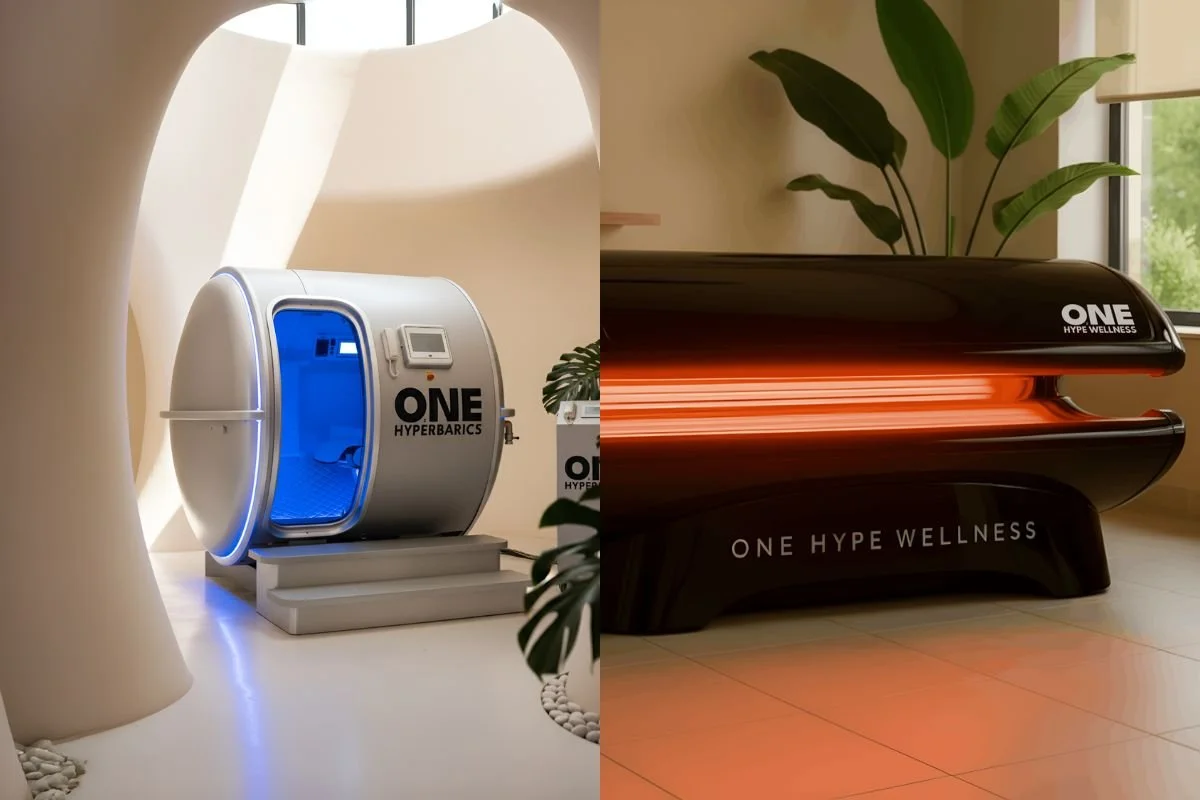
Research hafound that many post-exercise recovery techniques do not deliver consistent results on their own. As a result, modern approaches increasingly focus on combining multiple methods for a complete effect.
Why Combining Red Light Therapy and Hyperbaric Oxygen Therapy Works
Red light therapy and hyperbaric oxygen therapy are often discussed separately, but their real potential lies in how they complement each other. They create a consistent approach to recovery by supporting different systems within the body.
How Red Light Therapy Works
Red light therapy works at a cellular level, using specific wavelengths of light to interact with the mitochondria, the part of the cell responsible for producing energy.
Research shows that this process can stimulate mitochondrial activity and increase ATP production, the primary energy source for cellular function, helping to support repair, regeneration, and overall performance.
Because it works at the foundation of how cells function, red light therapy is often used in supporting recovery, reducing inflammation, and promoting processes like collagen production and tissue repair.
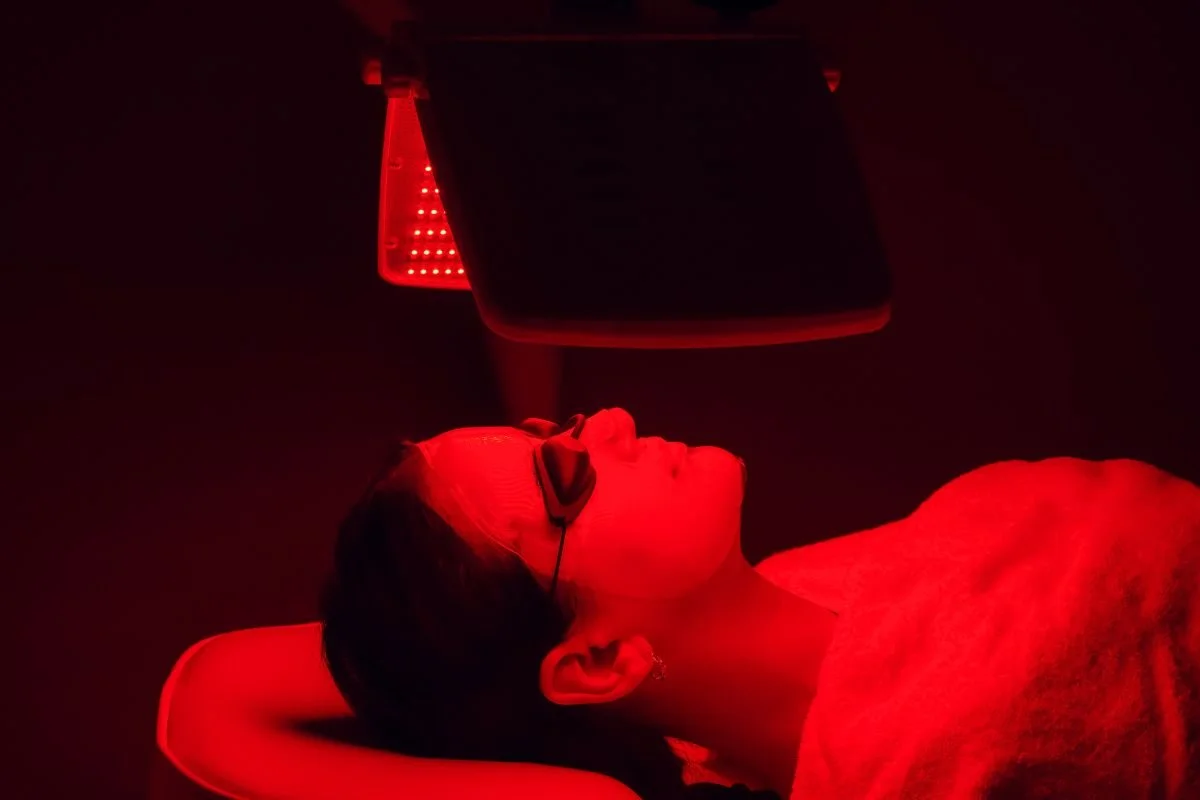
Red light therapy is often used in supporting recovery, reducing inflammation, and promoting processes like collagen production and tissue repair.
How Hyperbaric Oxygen Therapy Works
Hyperbaric oxygen therapy focuses on how oxygen is delivered throughout the body. It helps oxygen dissolve effectively into the bloodstream by increasing atmospheric pressure, reaching areas where it is needed most.
Research shows that under these conditions, oxygen can dissolve directly into blood plasma in significantly higher concentrations, enhancing oxygen delivery to tissues and supporting recovery processes.
As oxygen plays a central role in energy production, tissue repair, and inflammation regulation, increasing its availability helps create the conditions the body needs to recover successfully.
This is why hyperbaric oxygen therapy has been widely studied and used in clinical settings to support healing across a range of systems.
The Combined Effect: A Complete Recovery Response
Interest in combining red light therapy and hyperbaric oxygen therapy is growing, as emerging research explores how the two can work together to enhance outcomes across recovery, cognitive performance, and overall well-being.
When used together, red light therapy and hyperbaric oxygen therapy begin to complement each other in a way that goes beyond what either can achieve alone.
Together, this supports the body’s ability to restore and adapt more effectively. Instead of addressing one aspect of recovery in isolation, both energy production and oxygen supply are improved at the same time.
For example, after intense training, this could mean not only faster muscle recovery but also sustained energy levels in the days that follow, supporting a quicker return to peak performance.
This integrated approach supports the body across multiple systems at once. In practice, it can help improve recovery, manage inflammation, support skin health, and enhance overall resilience.
It also targets the visible effects of recovery and the underlying processes that drive them, delivering lasting results.
What This Looks Like In Practice
In select high-end systems, red light therapy and hyperbaric oxygen therapy can be delivered within the same recovery session, creating a seamless and efficient experience.
At One Hype Wellness, our One Hyperbarics solution incorporates additional features such as infrared technology, allowing the body to benefit from both enhanced cellular activity and increased oxygen availability within a single environment. This removes the need to move between treatment spaces, creating a streamlined and coordinated recovery experience.
In practice, this is often built into a wider routine rather than used as a one-off.
For someone training regularly, it might form part of a structured recovery schedule to support consistency and reduce fatigue. For others, it may be used during periods of high physical or cognitive demand, helping to maintain energy, focus, and overall resilience.
Over time, the goal is not just short-term recovery, but a more consistent and reliable baseline. This is one where the body is better supported to adapt, perform, and assist balance across different demands.
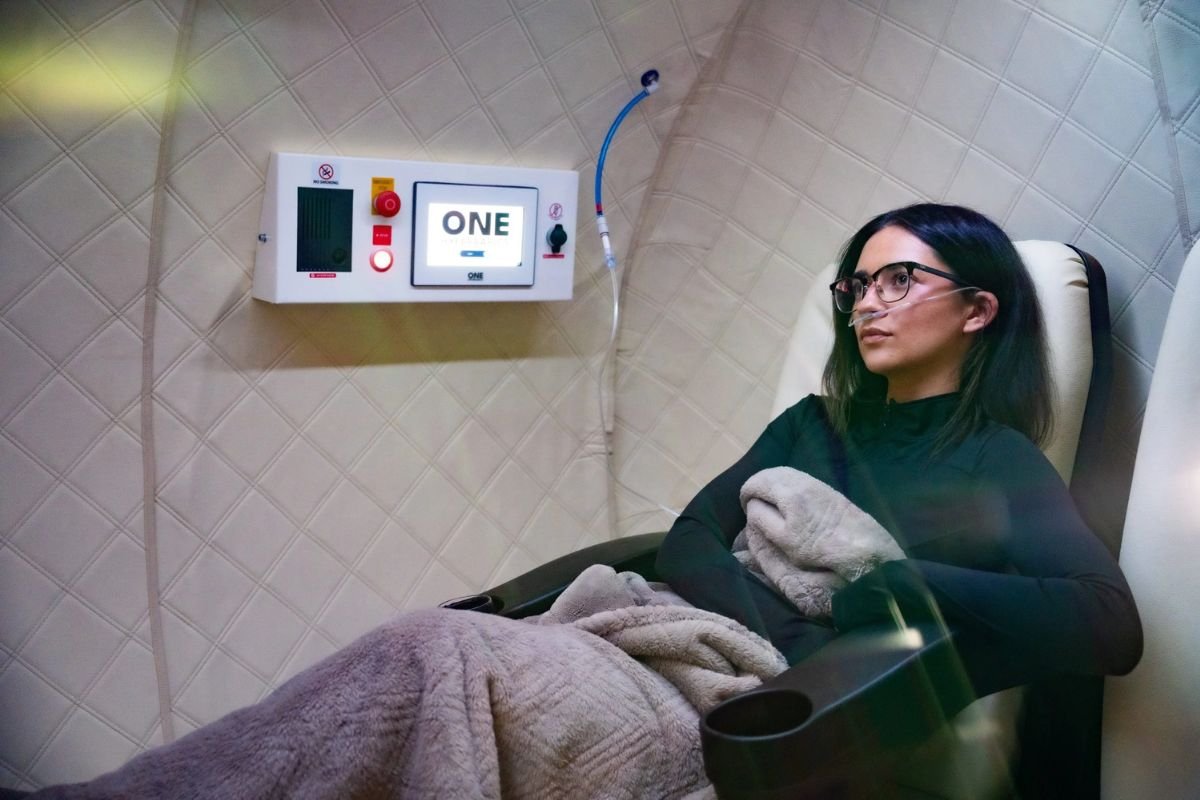
Our One Hyperbarics solution incorporates additional features such as infrared technology, allowing the body to benefit from both enhanced cellular activity and increased oxygen availability within a single environment.
How We Can Help
As recovery continues to evolve, the focus is shifting towards approaches that are designed around how the body actually functions.
At One Hype Wellness, this means supporting both sides of the recovery process. While red light therapy and hyperbaric oxygen therapy can be used independently, they can also be brought together within the same environment.
Through solutions like One Hyperbaric, which incorporates features like infrared technology, both cellular activity and oxygen delivery can be supported in a more coordinated way.
Whether the goal is faster recovery, sustained energy, or long-term wellbeing, the focus is not on doing more, but on supporting the body with the right combination of therapies at the right time.
Explore our range of wellness solutions or book a discovery call to learn more about an integrated approach to recovery.